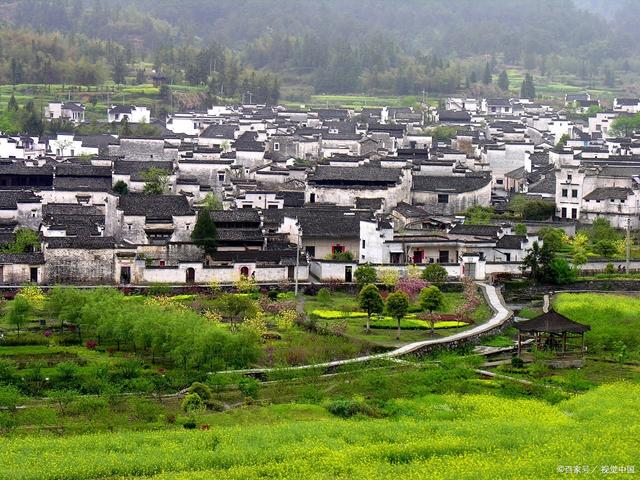
Local customs are the unique cultural expressions and traditions of a particular region. They encompass a wide range of aspects such as language, food, music, clothing, festivals, and social behaviors. Each local custom is a precious heritage that reflects the history, values, and way of life of the people in that area.
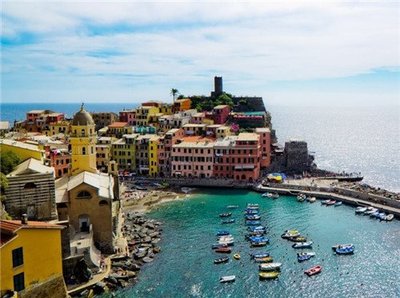
In many parts of the world, language is an important aspect of local customs. Different regions have their own dialects and accents, which add color and charm to the local culture. For example, in Italy, the rich and melodious Italian language is spoken with passion and enthusiasm. The use of local idioms and expressions not only helps people communicate more effectively but also reflects the unique spirit of the region.
Food is another crucial element of local customs. Every region has its own signature dishes that are loved by the locals and often attract tourists from afar. In France, for instance, the art of cooking is highly regarded, and French cuisine is famous for its sophistication and elegance. Dishes like croissants, escargots, and coq au vin are not only delicious but also represent the French love for good food and fine dining. In contrast, in India, the diversity of flavors and spices in Indian cuisine is astonishing. From spicy curries to sweet desserts, each dish tells a story and reflects the cultural heritage of India.
Music is also a powerful medium that reflects local customs. Different regions have their own traditional music styles that are passed down through generations. In Africa, for example, the rhythms and beats of African music are energetic and infectious, often accompanied by dancing and singing. This music reflects the joy and vitality of African culture. In Asia, traditional music such as Japanese koto music and Chinese pipa music have a unique charm. The gentle sounds and delicate melodies convey the peace and tranquility of these cultures.
Clothing is another visible manifestation of local customs. Traditional clothing often reflects the social status, gender roles, and cultural values of a region. In some Asian countries, such as Japan and Korea, traditional clothing like kimono and hanbok are still worn on special occasions. These clothing styles are not only beautiful but also carry a sense of history and tradition. In some African tribes, elaborate and colorful clothing is worn during festivals and ceremonies, highlighting the tribal identity and cultural pride.
Festivals are the most exciting and vibrant expressions of local customs. Each region has its own unique festivals that celebrate different events and seasons. In Brazil, the Carnival is a world-famous festival known for its colorful parades, samba music, and wild dancing. This festival reflects the Brazilian love for life and celebration. In China, the Spring Festival is the most important festival, where families get together, set off firecrackers, and enjoy delicious food. This festival symbolizes family unity and the beginning of a new year.
Social behaviors also play an important role in local customs. The way people greet each other, interact with others, and show respect varies from region to region. In some Western countries, people often greet each other with a handshake or a hug, while in some Asian countries, a bow or a nod is more common. These social behaviors reflect the cultural differences and values of different regions.
In conclusion, local customs are the essence of a region's culture. They are passed down from generation to generation and play an important role in shaping the identity and values of the people. By understanding and appreciating local customs, we can gain a deeper understanding and respect for different cultures and enrich our own lives. Whether it is through language, food, music, clothing, festivals, or social behaviors, local customs offer a window into the rich and diverse world of human culture.